Hamed Rahmati

Student and programmer

English
Hello and greetings!

I am Hamed Rahmati.
A programmer from the hardware of the mind, not from ready made software.
I am a high school student in mathematics and physics, and alongside that, I design cryptographic architectures and decentralized networks.
I know English like breathing, I am thoroughly mastering German, and I am learning Greek for fun. Perhaps one day I will be able to read Aristotle in his own language.

In a world where everyone builds websites with WordPress, I build from scratch. From client side cryptography to decentralized messaging protocols.

Take a look at my portfolio; you might find something that proves useful to your world.

Work Samples

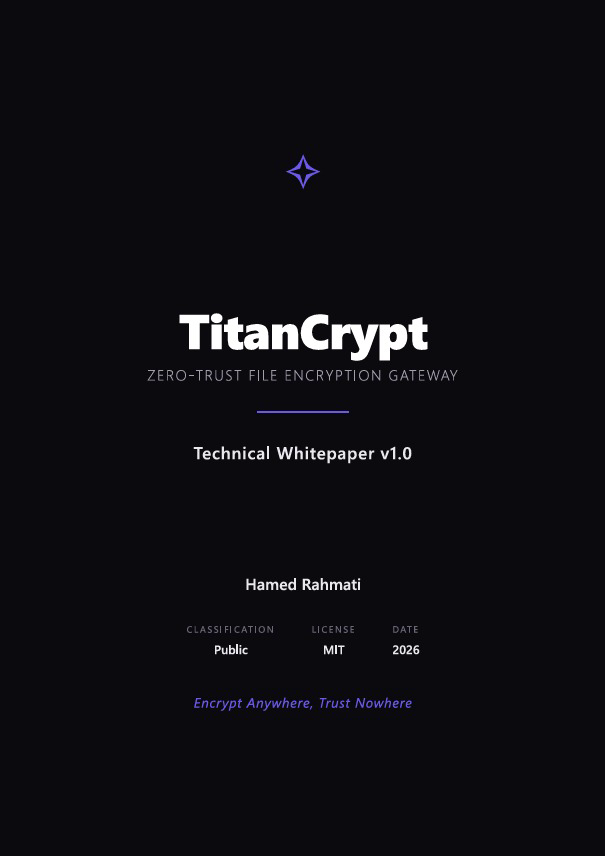
TitanCrypt | A file encryption system with a Zero-Trust architecture

A web based file encryption system with a Zero-Trust architecture that performs all cryptographic operations within the user's browser. The server never has access to encryption keys or raw data. This project is capable of processing large files up to 10 gigabytes and beyond without high memory consumption.

This project is a full stack application that uses Node.js and Express on the server side and Vanilla JavaScript on the client side. Its primary goal is to demonstrate the ability to implement complex security systems using only standard browser APIs.

Key technical features:

Advanced security:
Implementation of AES-256-GCM encryption using the Web Crypto API
Use of PBKDF2 with 600,000 iterations for key derivation, providing resistance against brute force attacks
Zero-Trust architecture meaning the server has no access to keys or unencrypted data
Implementation of SHA-256 to ensure file integrity and authenticity
Server side security layer with Helmet.js, Content Security Policy, and Rate Limiting

Memory and performance management:
Chunked streaming file processing with 1 megabyte segments
Consistently low and stable memory usage even for files over 10 gigabytes
Real time display of progress percentage, speed in megabytes per second, and remaining time
No software installation required, fully web based

User experience:
Glass-morphism design with a dark theme
Drag and drop support for file upload
Toast notification system with automatic dismissal
Key management including random key generation, copying, import, and export as JSON files

Technical documentation:
Complete white paper of over 20 pages including architectural diagrams, encryption flowcharts, sequence diagrams, performance analysis, and threat modeling
Documentation of encryption standards including NIST SP 800-38D, FIPS 180-4, and FIPS 197
Mermaid diagrams illustrating system architecture, encryption processes, and key management

Technologies used

Backend:
Node.js
Express.js
Helmet.js for security
Express Rate Limit for request throttling
Dotenv for configuration management

Frontend:
Vanilla JavaScript without any frameworks
Web Crypto API including SubtleCrypto
HTML5 File API and Blob API
CSS3 with advanced features including Glass-morphism, animations, and dark theme

Implemented concepts:
Zero-Trust Architecture
Chunked File Processing
Asynchronous Programming using Async/Await
Client-Side Cryptography
Memory-Efficient Streaming

Technical challenges I solved

Client side encryption without third-party libraries: Instead of using JavaScript libraries for encryption, I used the standard Web Crypto API built into the browser. This API is natively implemented in the browser and benefits from CPU hardware acceleration. It also eliminates the need to trust third-party code.

Processing large files without high memory consumption: I split large files up to 10 gigabytes and beyond into 1 megabyte chunks. Each chunk is read, encrypted, and then cleared from memory separately. The final result is assembled as a Blob in the browser. Memory usage remains stable throughout the process at approximately 26 megabytes.

True Zero-Trust architecture: In this architecture, the server only serves static files including HTML, CSS, and JavaScript. All encryption logic runs on the client side. Encryption keys and raw data are never sent to the server. Even if the server is fully compromised, an attacker has no access to any sensitive data.

Responsive user interface during heavy processing: By using asynchronous functions and chunked processing, the user interface remains fully responsive even during encryption of large files. The progress bar updates in real time with speed calculations and remaining time estimates.

Why is this project valuable?

This project demonstrates the following capabilities:

Deep mastery of JavaScript and Web APIs: I have built a complex security application without using any frameworks
Understanding of advanced security concepts: Zero-Trust architecture, AES-GCM encryption, and secure key derivation with PBKDF2
Memory management and optimization: Processing large files without crashes or system slowdowns
Technical documentation skills: Writing a professional white paper with architectural diagrams
Clean software architecture: Separation of encryption logic, file management, and user interface
Creative problem solving: Providing solutions to real world challenges such as large file encryption within a browser

GitHub: https://github.com/paxmatixamevt/TitanCrypt
PDF Download PDF

TitanMesh - پیامرسانی غیر متمرکز [Application/Infrastructure]

This project is a decentralized messenger that operates without the need for any central server. Unlike WhatsApp or Telegram, where all messages pass through their own servers, in this system messages are exchanged directly between users, and no central entity can read, censor, or block them.

This project consists of three main layers:

First layer: Advanced encryption
All messages are protected with the AES-256 algorithm, which is the global encryption standard. Encryption keys are stored only on the user's own device and are never transmitted anywhere. Even if a hacker gains access to the entire network, they cannot read users' messages. For authentication, ECDSA digital signatures are used, which is the same technology as Bitcoin.

Second layer: Peer to peer network
The system establishes direct communication between users through the WebSocket protocol. Each user is considered a node in the network that both sends messages and forwards those of others. This architecture ensures there is no single point of failure and the network is resistant to disruptions and censorship.

Third layer: Blockchain and proof of work
Each message must solve a mathematical proof of work problem before transmission, which prevents mass messaging and spam. Messages are stored in blocks and become immutable after confirmation. This mechanism ensures that the message history cannot be tampered with.

This project includes two separate components:
The server component, which is written with the Flask framework and is responsible for network management, block validation, and communication with other nodes. The client component, which is built with the PyQt6 library and provides a desktop user interface.

Users can generate their own keys, communicate with others, send and receive encrypted messages, and receive delivery status updates. All data is stored locally in an SQLite database and JSON files.

This project is applicable to organizations that value privacy, journalists and civil activists in countries with censorship, companies in the blockchain and Web3 sectors, as well as developers who want to build their own private messenger.

This portfolio piece demonstrates my expertise in four key areas: advanced Python programming, cryptography and cybersecurity, decentralized networks, and software architecture. The code for this project is clean, modular, and fully documented, utilizing the latest technologies such as Asyncio and WebSocket.

GitHub: https://github.com/paxmatixamevt/TitanMesh

تایتان والت(TitanVault) - برنامه مدیریت گذرواژه

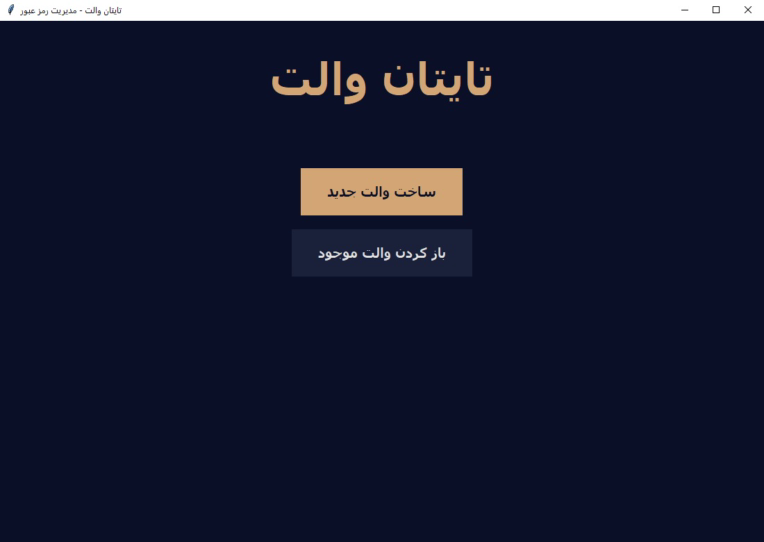
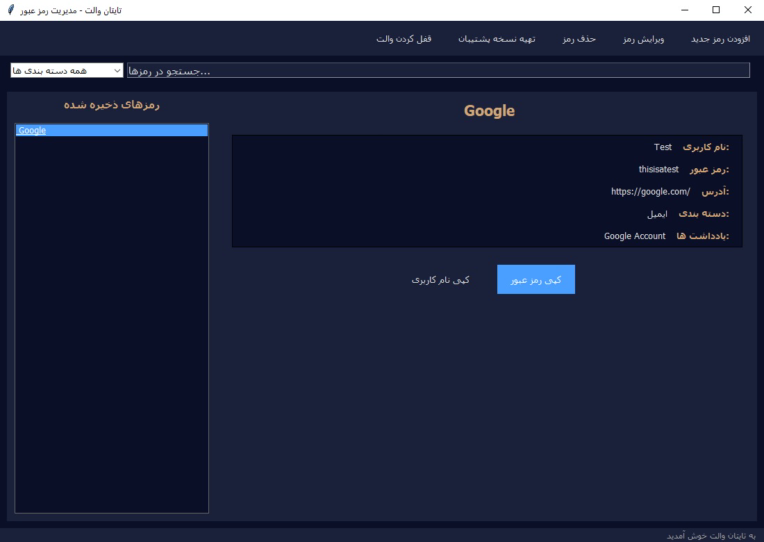
Titan Vault is a high security password management software written in Python with a graphical user interface built using Tkinter.

Main Features

Military grade encryption: Utilizes the AES-256-GCM algorithm for data encryption

Advanced security:
Key derivation using PBKDF2HMAC with 600,000 iterations
Protected memory using mlock to prevent memory dumps
Automatic clipboard clearing after 20 seconds
Twelve word Persian recovery phrase

Management capabilities:
Adding, editing, and deleting passwords
Categorization of passwords into groups such as email, banking, social networks, and more
Search and filtering based on category
Generation of strong 24 character passwords

Practical features:
Copying usernames and passwords
Creating backups
Locking the vault and clearing memory

Technical structure:
Secure memory management: GuardedMemory class for protecting sensitive data in memory
Vault management: VaultManager class for core vault operations including creation, opening, and saving
User interface: TitanVaultApp class with a modern dark mode appearance

File format
Vault files are saved with the .tvault extension and contain:
Metadata including identifier, salt, and hashes
Encrypted entries using AES-256-GCM
SHA-256 checksum to ensure integrity

To download the source code, you can visit my Karlancer profile at:
https://www.karlancer.com/profile/1474190

XEDRIX (زدریکس) [Discontinued]

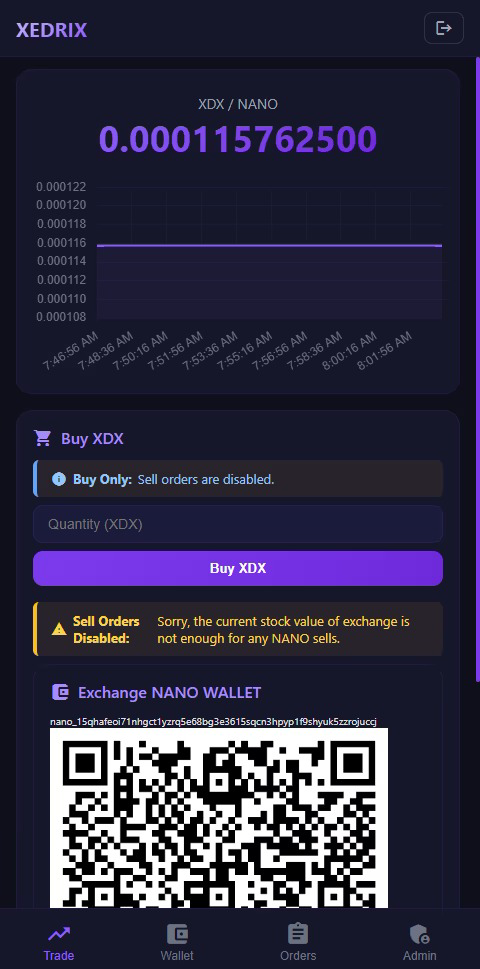
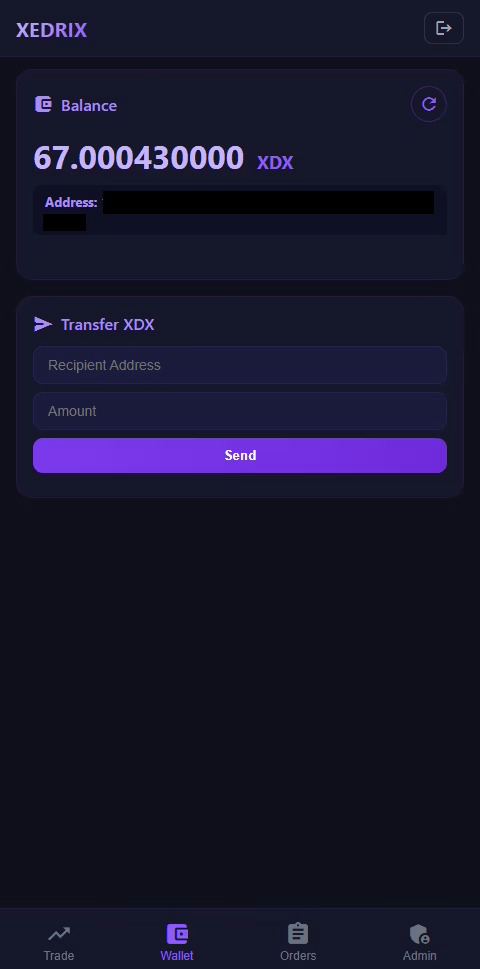
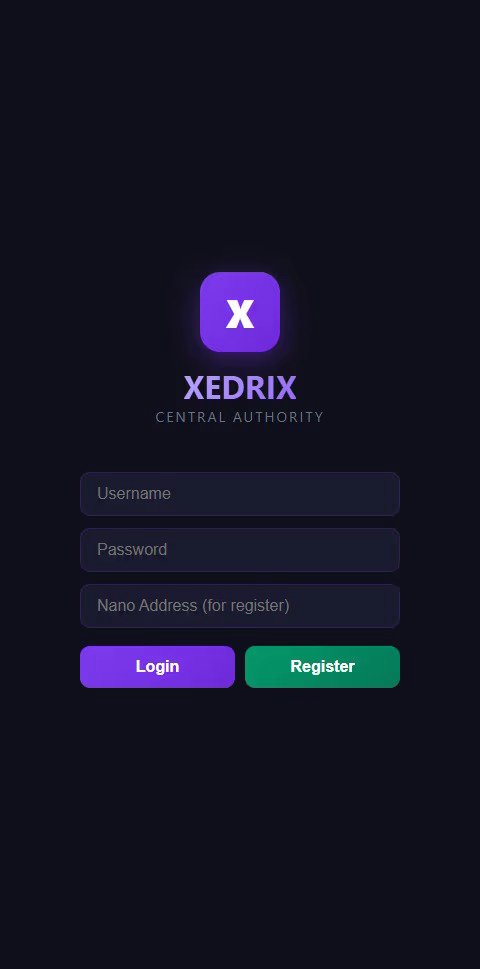
Zedrix is a cryptocurrency reliant on a central authority, developed as an experimental project. The main challenge of this project was to determine how to eliminate the ability to forge and manipulate information from the central authority while ensuring fast transactions and continuous server operation.

By drawing on the Bitcoin whitepaper written by Satoshi Nakamoto, I was able to conclude that by completely omitting the previous transaction block from the SHA256 hashing algorithm and recording it at the beginning of the next block, any minor alteration or forgery would be immediately detected and prevented.

For the second issue, NodeJS was used efficiently.

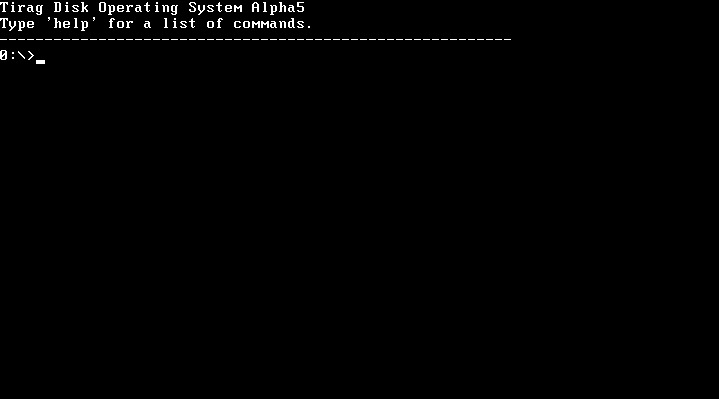
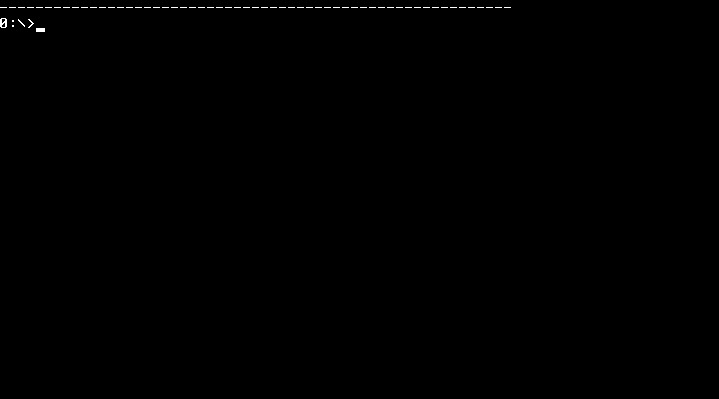
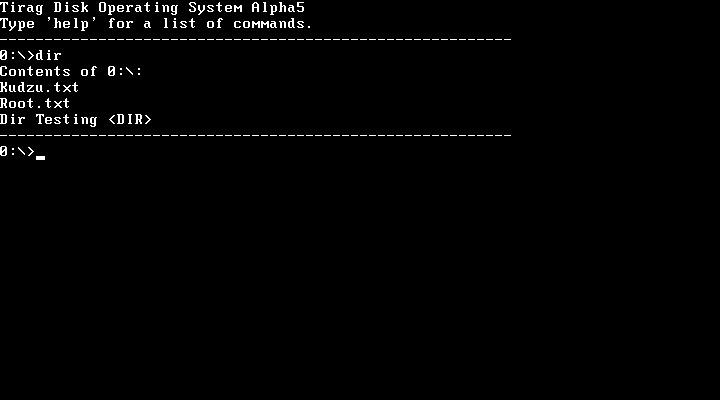
Tirag Disk Operating System (TDOS) Alpha5

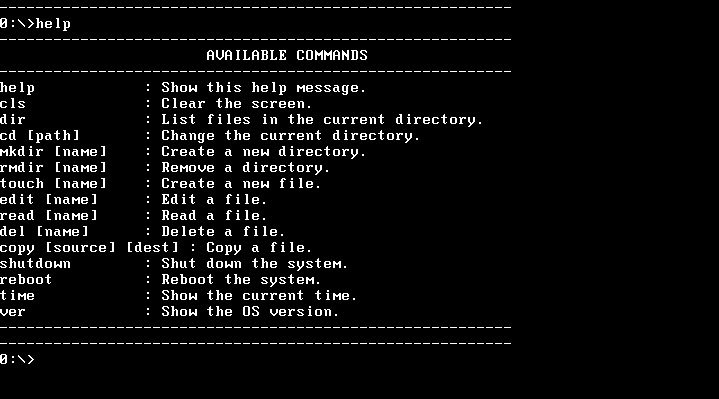
Tirag Disk Operating System (TDOS) is a simple operating system developed using C# and Cosmos, which is a C# Open Source Managed Operating System. This project is a lightweight operating system with file management capabilities and practical command line utilities.

Main features:

File system management
Support for a virtual file system
Ability to create, delete, and manage files and directories
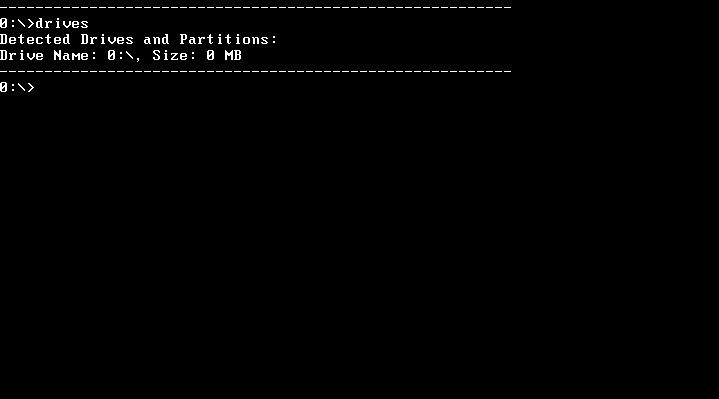
Support for multiple drives and automatic detection of newly connected drives such as USB devices

Command line interface
A prompt displaying the current working directory
Support for fourteen different commands for system management

Time and system management
Display of system time and date
Display of the operating system version
Shutdown and restart capabilities

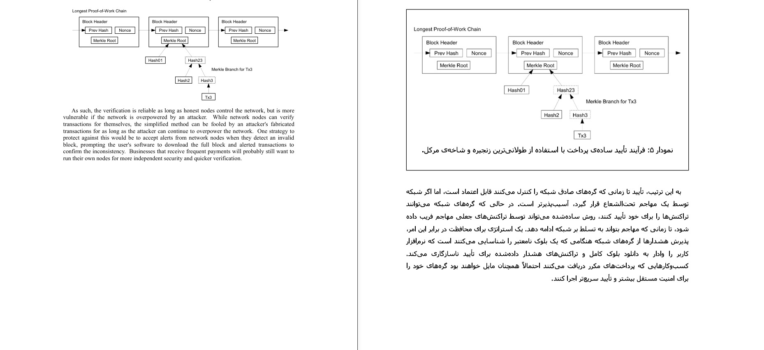
Translation of the Bitcoin whitepaper from English to Persian.

In this portfolio piece, I have translated the Bitcoin whitepaper from English into Persian. I also made slight modifications to its layout to improve its visual presentation.

What does this portfolio piece demonstrate?

Mastery of specialized terminology

Deep understanding of technical concepts such as blockchain, proof of work, digital signatures, and mining

Ability to write fluently and academically in Persian without distorting the original meanings

Precision and patience in translating complex terms

Added value for the Persian speaking community that needs a reliable and fluent source

PDF Download PDF

Whitepapers

TitanMesh | پروتکل پیام‌رسان غیرمتمرکز [Whitepaper]

A peer to peer messaging protocol that eliminates dependency on corporations and digital currencies. This project, relying on elliptic curve cryptography and mathematical proof of work, provides a secure platform for message exchange without the need for a server. Implementing this system on Raspberry Pi nodes demonstrates my ability to design censorship resistant distributed systems and zero trust security architectures.

This project showcases my ability to design complex and secure systems:

Pure security: Messages are transmitted with the highest level of encryption, and even network administrators cannot access their content.

Censorship resistant: The network is decentralized, meaning no institution, government, or corporation can shut it down.

Low cost: Unlike many decentralized networks that require expensive equipment, this network runs on a fifty dollar Raspberry Pi board.

High sustainability: Spam attacks are prevented through mathematical computations with proof of work without consuming high amounts of energy.

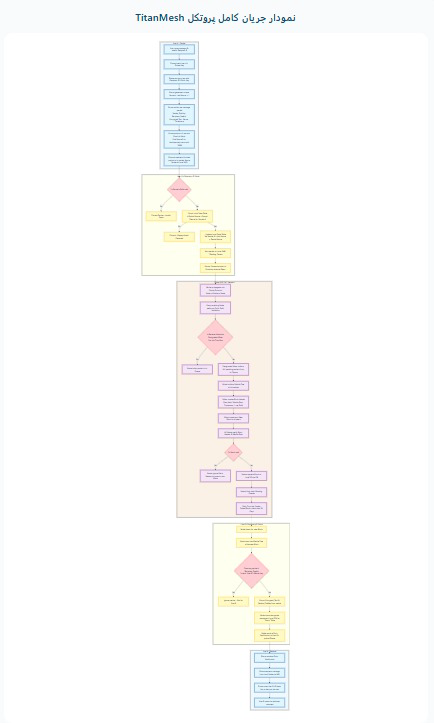
All technical documentation and diagrams for this project, including the complete flow diagram, have been designed and implemented by me and can be used either as a standalone product or as a security layer within larger projects.

PDF Download PDF

Services

Implementation of Cryptographic Systems and Security

Service Description

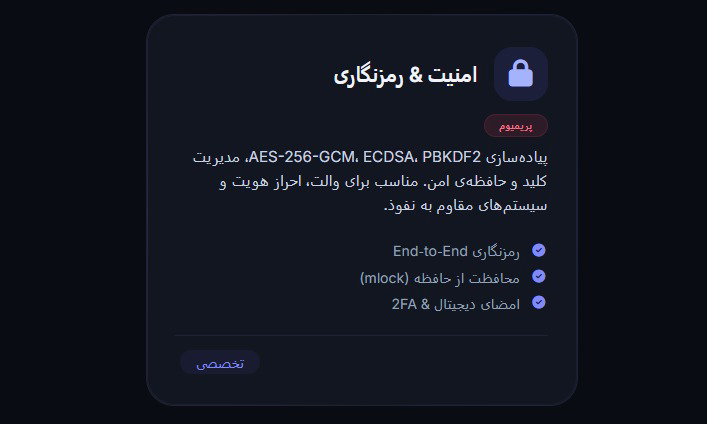
Implementation of AES-256-GCM, ECDSA, PBKDF2, key management, and secure memory. Suitable for wallets, authentication, and intrusion resistant systems.

End-to-end encryption
Memory protection using mlock
Digital signatures and two-factor authentication

Benefits of each service:

Complete data security

Password and key protection

Memory safety using mlock

Two-factor authentication

Intelligent key management

Resistance against attacks

Lightweight and fast

Flexibility

Suitable for business use

Developer friendly

Deliverables upon project completion

Complete source code: A clean, modular, and fully commented project
Technical documentation: Comprehensive documentation covering security architecture, key generation methods, encryption and decryption processes, and error handling
Installation and execution guide: Step by step instructions for setting up and running the project on various operating systems including Windows, Linux, and macOS
Unit tests: A suite of automated tests to verify the correctness of cryptographic operations
Demo: A short video or screen recording demonstrating successful project execution and cryptographic operations
Final report: A summary of completed work, challenges encountered, and implementation solutions

Blockchain and Decentralized Networks

Service Description

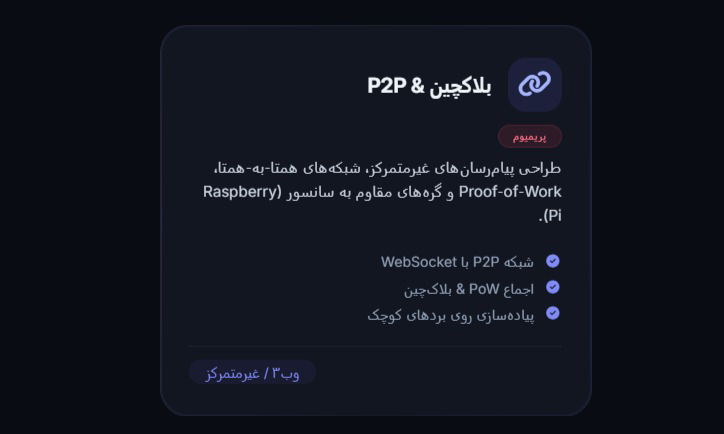
Design, preparation, and implementation of blockchain networks with capabilities including:
Peer to peer network using WebSocket
Proof of Work consensus and blockchain
Ability to deploy on small single board computers

Benefits in brief:

Ability to run on small single board computers including Raspberry Pi, reducing cost and energy consumption
Peer to peer communication via WebSocket for instantaneous exchange and resilience against disruptions
High security through the Proof of Work consensus algorithm
Decentralized and transparent with blockchain structure
Flexibility in design and implementation tailored to project requirements

Deliverables upon project completion

Complete source code for both server and client components with detailed documentation
Configuration files for easy node setup in various environments
Architecture documentation including network diagrams, data flow, and node communication methods
Deployment guide with instructions for running the project on Linux servers and even Raspberry Pi
Automation scripts for launching multiple nodes simultaneously using Docker or Bash
Performance test report including latency, bandwidth consumption, and resistance to attacks such as spam
Demo video showcasing the sending and receiving of encrypted messages between multiple nodes

Complex and Advanced Python Programming

Service Description

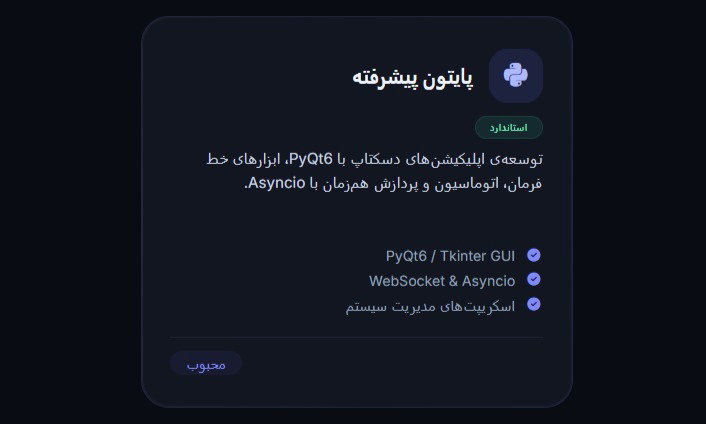
Desktop application development with PyQt6 for professional user interfaces
Advanced automation and scripting with Python using Asyncio and WebSocket
Development of command line tools for operating system management
Data processing and analysis with Python

Benefits:

PyQt6: Professional, cross-platform, and responsive user interface
Asyncio and WebSocket: Concurrent execution, non-blocking processing, and real-time communication
CLI Tools: Lightweight, scriptable system management automation
Data processing: Rapid analysis using powerful Python libraries such as Pandas and NumPy

Deliverables upon project completion

Complete source code with detailed comments in Persian or English
Executable file: If needed, building .exe files using PyInstaller or .dmg for macOS
User manual: Complete explanation of how to use the software for non-technical users
Technical documentation: Including descriptions of architecture, main classes, and functions
Unit tests: Minimum 70 percent code coverage using Pytest
Automated installation script: A setup.py or install.sh file for easy dependency installation
Final report: Including challenges, technical decisions, and suggestions for improvement

Node.js for Real-Time Servers and Web Servers

Service Description

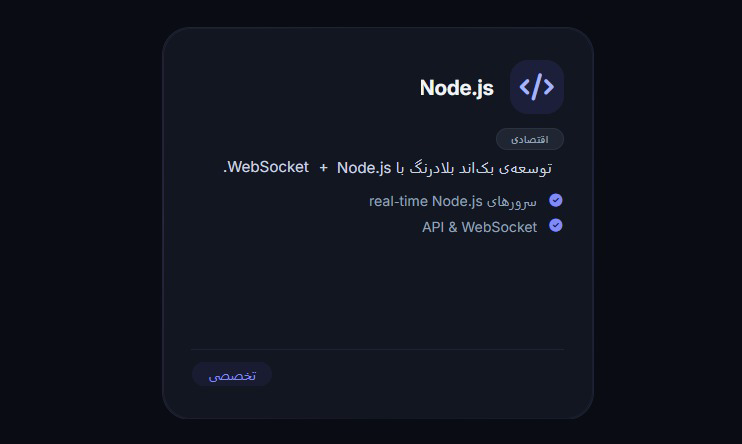
Backend web development with Node.js and WebSocket for real-time servers

Benefits:

Real-time WebSocket: Bidirectional and instantaneous communication between client and server
Non-blocking Node.js: High concurrency processing with an event-driven architecture
High performance: Suitable for real-time applications such as chat, gaming, and notifications
Rich ecosystem: Access to the extensive npm library ecosystem for rapid development
Scalability: Easy implementation of clustering and microservices

Deliverables upon project completion

Complete and well-commented source code in English or Persian
Setup and dependency installation guide using npm install
Manual tests
Executable files including the main Node.js project files
Quick reference documentation: A one-page brief explanation of the application's functionality
Delivery report: Including a short explanation of the implementation approach and existing challenges

Translation and Documentation including technical, scientific, and professional editing

Service Description

Specialized translation of blockchain, cryptography, and software texts from English to Persian
Writing whitepapers and technical documentation for software projects
Professional editing and formatting of programming texts

Benefits:

Specialized translation: High accuracy in blockchain, cryptography, and software terminology from English to Persian
Whitepapers and technical documentation: Structured, clear, and professional writing to attract investors and technical teams
Editing and formatting of programming texts: Template standardization, correction of grammatical errors, and improved readability of code and documentation
Time savings: The team can focus on development with peace of mind regarding the accuracy of documentation

Deliverables upon project completion

Translated file: A Word or PDF document with fluent, accurate translation that preserves the original meanings without distortion
Side-by-side comparison file: Upon client request, a document presenting the English and Persian texts alongside each other
Specialized glossary: If needed, a list of technical terms and their Persian equivalents
Translation report: A brief explanation of translation challenges and decisions made for specific terms
Post-delivery support

Contact